 24+ YRS EXPERIENCE IN THE 4WD INDUSTRY
  OVER 12,500 4WD PRODUCTS ONLINE
  20+ STOCKISTS AUSTRALIA WIDE
  SHIPPING AUSTRALIA WIDE & INTERNATIONALLY

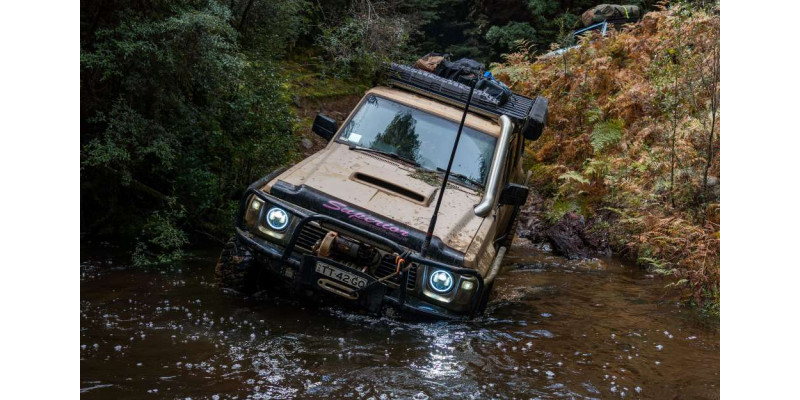
- The moment your wheels spin freely and momentum is gone, stop, get off the throttle, and assess the ground before you dig yourself in deeper.
- Plan the recovery with everyone aware of it, keep uninvolved people well clear, and treat safety as the priority; it is usually also the fastest way out.
- Rated, tested gear matters: recoveries transmit huge forces, and unrated points, tow balls or makeshift hardware can turn into deadly projectiles.
- Match the tool to the job: boards for self-recovery on sand, mud and snow, snatch straps with a second vehicle, and winches for solo or steep terrain. Know when to abort and call a professional.
We've all been there. You're driving along the track, be it on the sand, in the mud or tackling a rock garden, when all forward momentum is halted, and the wheels start spinning uselessly. Sometimes you can back up and try a different line or maybe use a bit more throttle to get you through, but all too often shifting into reverse just means the wheels start spinning in the opposite direction. Yep, you're stuck and it's time to start planning your recovery.
You already know that simply trying to drive out of your predicament, or worse, botching the recovery will only make the situation more dangerous and take more effort to pluck yourself out of it. A careful, methodical and planned approach with an emphasis on safety is the only way to go, and more often than not is the quickest way to get back on track.
By minimising the risk to your vehicle and yourself, you're not only making sure you're in a position to continue your journey and arrive at your destination in one piece, you're also protecting the significant investment you have in your vehicle and its contents. Doing it any other way just doesn't make sense.
When to Stop and Plan
On soft terrain, as soon as you feel forward momentum is lost and your wheels are spinning freely, it's time to get off the skinny pedal as soon as possible to avoid digging yourself deeper into trouble. From there you need to check the terrain you're on and conduct a ground condition assessment. How deep is the mud, am I below the high tide line, are the rocks stable?
From there it's about risk management and having a recovery plan that everyone involved is aware of. Have anyone travelling with you on board with what you want to do, have anyone not involved well clear and then deploy your recovery gear. Taking a moment to assess the situation can literally save you time and thousands of dollars, or worse, having to deal with a potentially fatal injury.
Why Rated Recovery Equipment is Essential for Safe Recovery
Recovery operations transmit a lot of force through the equipment, your vehicle's frame and your recovery points. If any link in the recovery chain lets go, straps, shackles, cables and broken pieces of metal can be propelled by the stored kinetic energy needed to free a 3T vehicle from a bogging and become a dangerous projectile.
We've seen it too many times for comfort. A snatch strap hooked over a tow ball for a quick beach recovery. Towballs are NOT designed for the kind of shock loads seen in recoveries, and can and do break free, becoming a missile aimed directly at the stuck vehicle's windscreen. The same goes for cheap, unrated recovery points or hardware store drag chains. Using makeshift gear may save you a couple bucks, but it's simply not worth it. You wouldn't hold a chainsaw bar between your legs while trying to start it, no matter how much you trust the safety, right?
By choosing gear that's tested, rated and trusted to work for Australian off-road conditions you're going a long way towards ensuring safe and effective recoveries every time.
When to Use Specific Recovery Equipment
Here's a quick rundown on which piece of recovery equipment to use and when.
Recovery Tracks and Boards
- Ideal for sand, mud and snow
- Quickest and safest means of self-recovery
- Use the tracks to improve the traction footprint and avoid high-tension extractions
Snatch Straps and Kinetic Gear
- Ideal for mud and sand when a second vehicle is available
- Will also need rated recovery points, rated shackles and weighted dampeners
- Not ideal for multiple tries. If you are still stuck after a few tries then come up with a new plan to prevent equipment fatigue
- If the strap is frayed or has wear indicators showing, it's time to replace it
Winches and Static Recovery
- Ideal for solo travel, steep inclines/declines or precision movements
- Use a winch block or recovery ring to halve the load on the winch and double pulling capacity
- Stack rocks, dig an exit ramp or use traction aids to help with difficult winch recoveries
The Golden Rules of Recovery Safety
- Create an exclusion zone - have as few members of your group as possible involved in the recovery. Everyone else should be kept at least 1.5x the length of the strap (preferably double its length) clear of the area.
- The 90 degree rule - Make sure all bystanders and people not directly involved with the recovery stand at least 90 degrees perpendicular away from the tow line, winch cable or snatch strap. Especially when under tension.
- Maintain communication - Keep the radio lines clear so the people involved in the recovery can talk to each other clearly. If UHF comms are unavailable, the vehicles' horns or hand signals should also be discussed ahead of time and used appropriately throughout the process.
Recovering Others: What to Consider Before Helping
As with self-recovery, a similar set of considerations have to be taken into account when recovering other people's stuck rigs.
First thing is to calculate the increased weight of the vehicle. When recovering uphill the gravity acting on the stuck vehicle can translate to more force being required to free it, or the suction of mud or wet sand can double or even triple the effective load.
From there you have to inspect the stuck rig for manufacturer approved, rated recovery points. If they don't have them, don't be afraid to refuse the recovery. Same goes if they have damaged gear they want you to use. Keep in mind you're better off using your own quality 4WD recovery gear if theirs' is unrated or worn, but it's not unwarranted for some sort of compensation (beer or a nominal fee usually) to be offered in return. It's just good etiquette.
When Should You Abort a Recovery?
When a recovery becomes too dangerous due to the terrain or gear limitations, don't be afraid to pull the plug and reassess. Sometimes the situation or circumstances may simply be beyond your experience or the gear on hand, which is when it's often best practice to engage the services of an external professional or competent recovery business.
If the terrain is too treacherous, say due to heavy rain, you can also postpone working on freeing the stuck rig until conditions improve.
The Importance of High-Quality Recovery Equipment
As you've probably figured out by now, there's a clear link between having high quality, reliable and trustworthy recovery gear and the prevention of serious injury and vehicle damage. The value that having Australian engineering, local testing and compliance with Aussie safety standards as part of your recovery gear's cost really can't be overstated. This is often your last line of defence against becoming stranded, and it regularly pays for itself the first time it gets used.
Superior Engineering has long been at the forefront of the Australian off-roading scene and have played a huge role in providing engineered recovery solutions for the Australian bush.
Find the highest quality, Essential Recovery Equipment at Superior Engineering today.
Be ready before you're stuck
Rated recovery points, winches, straps, shackles and boards, engineered and tested in Australia.