 24+ YRS EXPERIENCE IN THE 4WD INDUSTRY
  OVER 12,500 4WD PRODUCTS ONLINE
  20+ STOCKISTS AUSTRALIA WIDE
  SHIPPING AUSTRALIA WIDE & INTERNATIONALLY

Independent suspension (IFS) lift kits are among the most complex lift setups, particularly once you move beyond 3 inches of lift. At this point, changes to the control arms, steering rods and CV axles begin to introduce unique challenges that need to be addressed to keep the vehicle safe, reliable and functional.
INDEPENDANT SUSPENSION LIFT KITS
How To Do Them Right

Control Arm and Ball Joint Geometry
The first signs of trouble with IFS lifts usually show up in the alignment of the front suspension. Steeper angles on the upper or lower arms push the steering knuckle inboard and place the ball joints at extreme operating angles, often close to their limits. The solution is either relocating the control arms or replacing them with longer or newly designed versions that restore correct geometry.
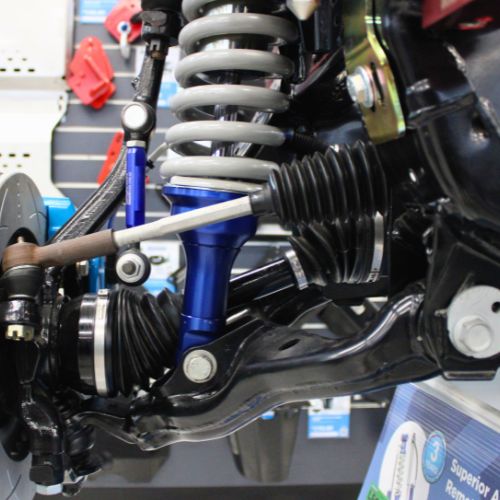
Upgrading to aftermarket upper control arms is the most effective solution. Well-designed arms provide clearance for the heavier aftermarket coils needed for lifted vehicles, while also offering greater articulation. Ideally, arms should be constructed from 4130 chromoly tube for strength, and use aircraft-grade spherical bearings instead of factory-style ball joints. This ensures durability under harsh Australian conditions.
It’s important to avoid some “adjustable ball joint” style arms, as they can have less travel than factory arms and are often very expensive to service or replace. Look for designs that include greaseable joints or caps, mounting tabs for ABS sensor lines, and premium bushes with grease systems to maximise service life and performance.
Modified Knuckles and Relocation Systems
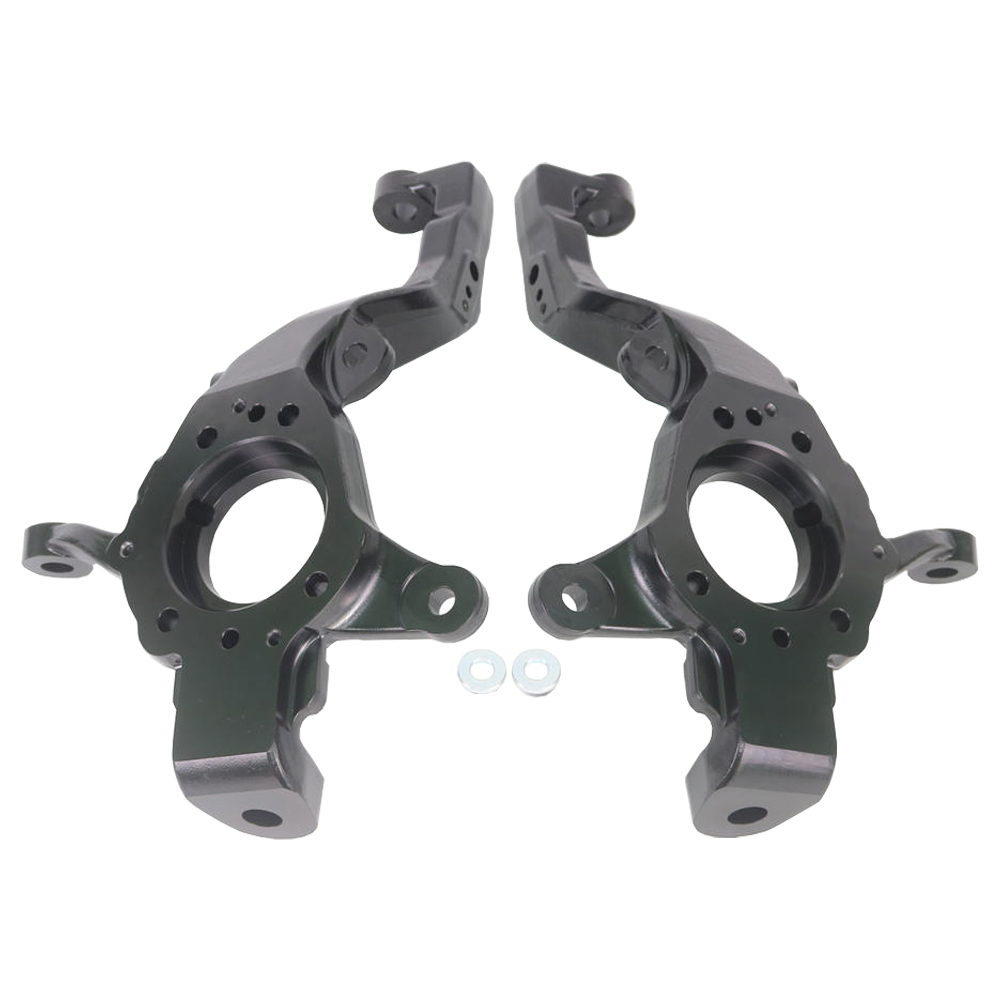
Some IFS lift kits address geometry by modifying the knuckle itself. Increasing the distance between the upper and lower ball joint mounts brings the arms back closer to factory operating range. Often the steering arm is also relocated, reducing angularity on the tie rods for more predictable steering response.
Other systems go a step further by relocating the entire suspension and differential assembly to a lower position. This approach usually requires cutting and modifying crossmembers, but it retains near-factory suspension geometry while still delivering 4–7 inches of lift.
CV Joint Angles and Diff Drop Kits
One of the biggest challenges in IFS lifts is CV joint angularity. The higher the lift, the steeper the running angle, which exponentially increases wear, even when driving straight. Over time, this reduces CV strength and dramatically lowers its resistance to shock loading off-road, raising the risk of failure.
The best way to reduce this wear is to install a differential drop kit. By lowering the diff centre, CV angles are returned to within safe tolerances. While this reduces ground clearance directly under the diff, the overall clearance of the vehicle is still increased, especially with larger-diameter tyres. A quality diff drop kit may also adjust the front driveshaft angle to prevent vibrations. Basic kits use spacers, whereas comprehensive versions include fabricated mounts with upgraded bushings for strength and reliability.
Rear Suspension Adjustments
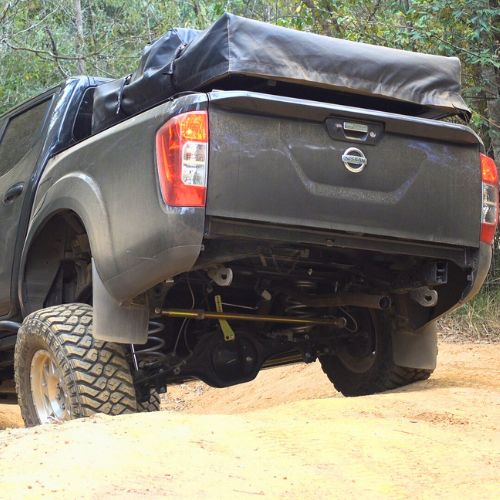
Compared to the front, the rear suspension is relatively straightforward to lift. Most setups require only a taller coil or leaf spring, combined with extended brake lines. To ensure safe operation and full flex, it’s also recommended to fit a tailshaft spacer and adjust the brake bias link.
For More Information - Call Our Sales Team On
(07) 5433 1411